The memory palace
A visual memory technique in which you attach information to rooms and places you know well, so the knowledge is easier to retrieve. John Erik used it while studying medicine.
In the conversation about medical school, John Erik describes how much use he got out of visual methods and the memory palace when learning large volumes of material.
What is a memory palace?
A memory palace (also called the method of loci) is an old memory technique in which you place the things you need to remember at particular spots in a room or along a route you know well – your own flat, say, or the way to work. When you later need the information, you “walk” mentally through those places again.
Getting started
- Pick a place you know well – your childhood home, the route to the shop, or a room you know in detail.
- Settle on a fixed order through the place, so you always “walk” the same way.
- Place what you need to remember at distinct points along the route (door, sofa, window).
- Make the images vivid and slightly absurd – the stranger and more visual, the easier to recall.
- Walk the route a few times to set it.
When does it suit?
It works particularly well for remembering lists, sequences and factual material. As John Erik points out: there is no single study technique that works for everyone – try things out and find what suits the way you learn.
AI is used as a tool in producing the text here, and everything is read through before it is published. Errors can still occur.
Spotted an error? Please email us at post@sporretimen.no. How we work .
Mentioned in the episode
Memory techniques – learn to memorise a deck of cards
How do some people memorise a whole deck of cards? A practical walk through memory technique: the memory palace, encoding things as images, and the systems that make it possible – and how to use them yourself.
Career · Doctor
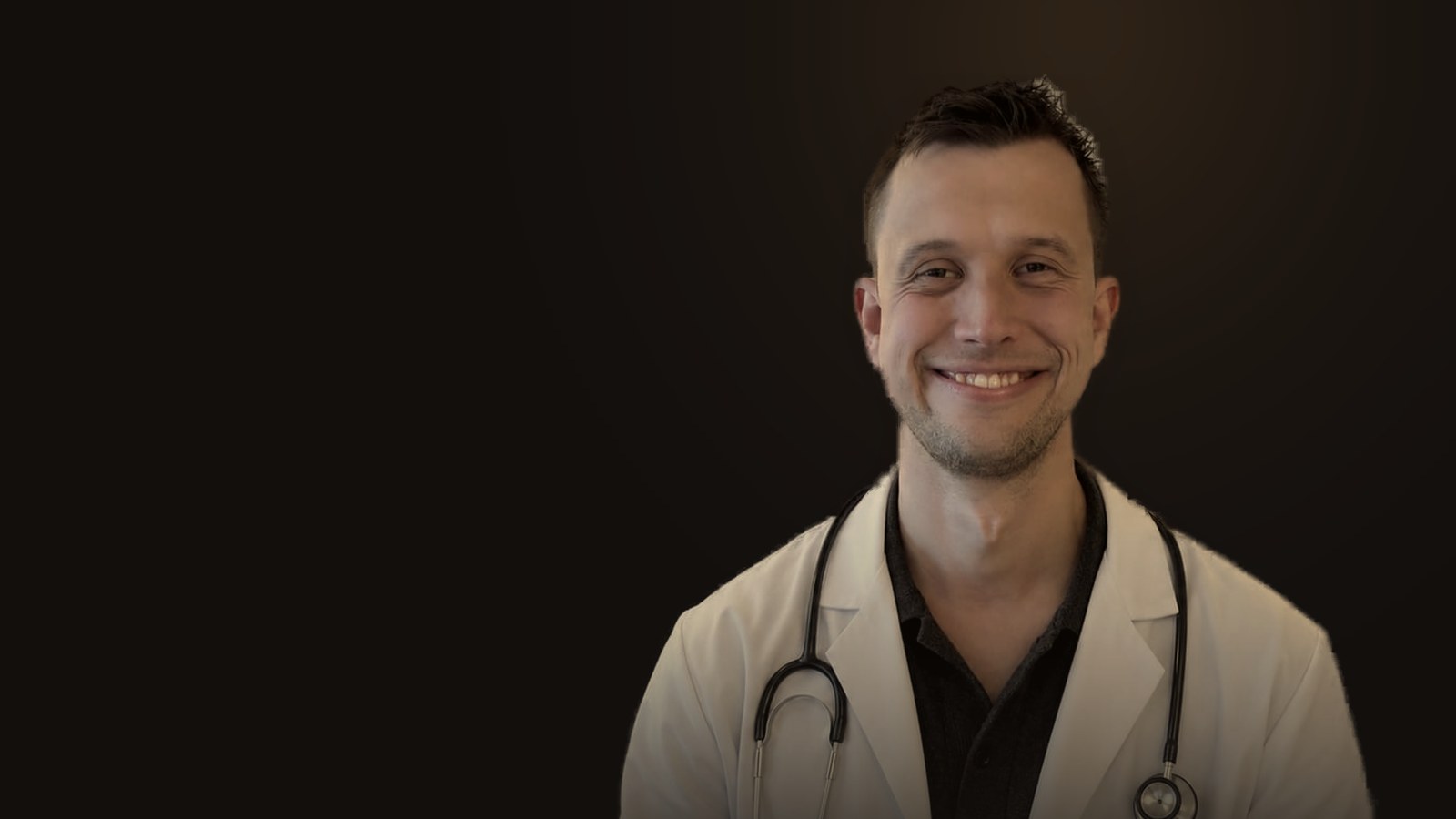
What is it really like to be a doctor?
With John Erik
What is it like to be a doctor? John Erik talks about studying medicine in Poland, everyday life as a GP, meeting patients, responsibility, and advice for future doctors.